Lifestyle · November 10, 2026
Spring Planting Traditions in the Gardens of Eastover
A study of Eastover's horticultural vernacular, exploring the classic understory plantings, formal boxwood parterres, and heirloom specimens cultivated by generations of stewards across the neighborhood's historic residential grounds.
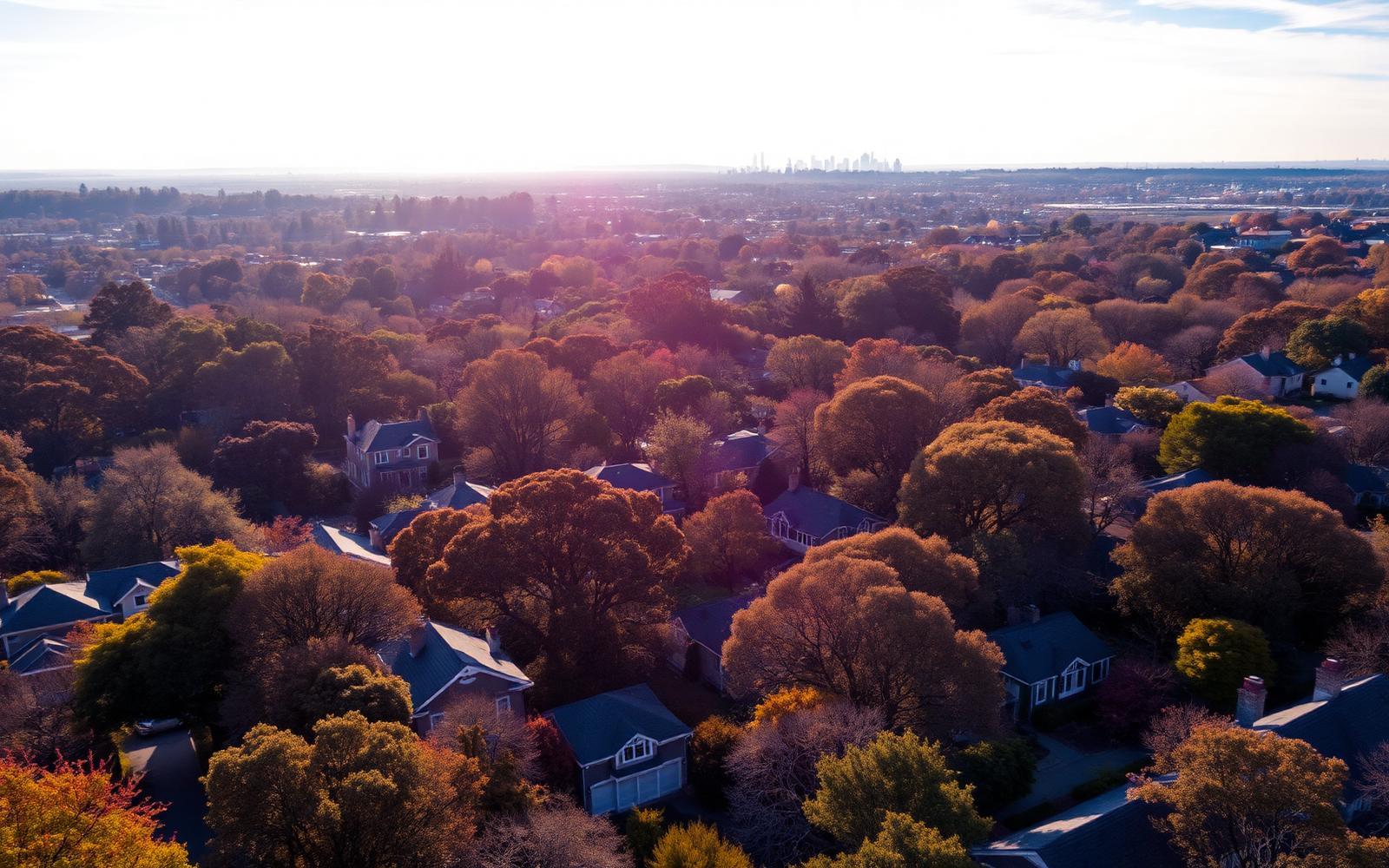
When early spring reaches the rolling terrain of Eastover, the neighborhood does not yield to modern landscaping trends. The arrival of temperate air across the high terraces platted in 1927 by E.C. Griffith initiates a measured, seasonal progression that has remained largely unchanged for nearly a century. Long before the heavy canopy of willow and white oaks leafs out completely, the understory of Eastover’s residential parcels begins a layered sequence of bloom and foliage. The gardens here are rarely the product of a single season’s renovation; rather, they reflect generations of continuous horticultural stewardship that mirrors the classic lines of the neighborhood’s architecture.
To walk the neighborhood in late March and April is to observe a distinct regional aesthetic—one that pairs the disciplined geometry of Georgian and Colonial Revival estates with the softer, romantic textures of the classic Southern Piedmont garden. Long-time residents understand that gardening in Eastover requires working within a specific ecological framework: heavy, acidic Cecil clay, deep shade cast by heritage hardwood crowns, and generous building setbacks that demand plantings of appropriate scale.
The Structural Evergreen Framework
In Eastover, flowers are treated as seasonal accents; the true foundation of every enduring garden is structural evergreen foliage. Long-time property owners maintain landscape compositions anchored by broadleaf evergreens that provide architectural presence twelve months a year. This approach directly complements the substantial brick facades, limestone porticos, and hand-split slate roofs that define local historic homes.
Chief among these structural plants are boxwoods. Despite regional challenges with blight in recent decades, careful estate owners continue to curate and protect significant boxwood collections:
- American Boxwood (Buxus sempervirens): Grown as tall screening borders, rounded architectural accents at driveway entrances, and specimen foundation plantings flanking substantial front entries.
- English Boxwood (Buxus sempervirens ‘Suffruticosa’): Used historically for low parterre gardens, terrace borders, and formal courtyard framing where slow, compact growth reinforces classical symmetry.
- Littleleaf and Korean Boxwood (Buxus microphylla): Frequently integrated by contemporary landscape architects into older gardens as resilient infill that maintains the historic look with greater tolerance to humidity and root pressures.
Beyond boxwood, the evergreen bones of these grounds often rely on Japanese yew, dwarf yaupon holly, and osmanthus. Fragrant tea olive (Osmanthus fragrans), tucked along property lines and motor courts, provides little dramatic spring color but offers an understated, leathery green barrier that releases an unmistakable apricot scent during warm spells.
The Early Understory: Camellias and Deciduous Hardwoods
The true curtain-raiser for spring in Eastover occurs while winter is still releasing its grip. Camellia japonica specimens, many planted in the 1930s and 1940s, reach the height of their display in late February and March. Positioned on the eastern and northern exposures of two-story residences where they are shielded from drying winter winds and harsh afternoon sun, these mature plants often reach heights of twelve to fifteen feet. Long-time gardeners favor time-tested cultivars—such as ‘Debutante’ with its pale pink peony-form blossoms, the formal red imbrication of ‘Professor Charles S. Sargent’, and the pure white petals of ‘Alba Plena’.
As the camellia blossoms drop to carpet the pine straw beneath them, the native deciduous understory awakens. The native flowering dogwood (Cornus florida) remains the quintessence of the older estates along the interior streets of Eastover. Rather than standing in open lawns, the most successful dogwoods here grow as they do in nature: along the woodland edge, reaching gracefully toward filtered light under the primary canopy. Their horizontal branching habit introduces a light, floating tier of white bracts that softens the imposing vertical scale of Tudor gables and Georgian chimneys.
Interplanted with dogwoods are eastern redbuds (Cercis canadensis) and mature Saucer Magnolias (Magnolia × soulangeana). Long-term owners value these deciduous specimens because their transient blossoms announce the season cleanly before foliage arrives, highlighting the intricate branching structures that took fifty years or more to develop.
Azalea Tiers and Ground-Level Continuity
By mid-April, the understory transitions to the mid-spring bloom cycle. In newer subdivisions, azaleas are often sheared into rigid mounds, stripping them of their natural habit. In Eastover’s established gardens, however, traditionalists allow Southern Indica and Kurume azaleas to grow into natural, undulating banks that navigate changes in topography.
Cultivars like ‘Formosa’ (vibrant magenta), ‘George L. Taber’ (soft orchid pink with darker blotches), and the pure white ‘Mrs. G.G. Gerbing’ are planted in deep, sweeping drifts beneath towering hardwoods. These mass plantings serve a practical as well as an aesthetic purpose: their shallow, fibrous roots appreciate the cool, moisture-retentive leaf mold under established oaks, creating a healthy transitional layer where turfgrass struggles to thrive.
At ground level, experienced Eastover gardeners avoid excessive turf beneath mature trees, recognizing that competition for water and nitrogen compromises both the lawn and the heritage root systems. Instead, traditional groundcovers establish green carpets across the forest floor:
- Liriope muscari and Ophiopogon japonicus: Used cleanly along brick pathways, bluestone terraces, and the curving stone borders typical of early-twentieth-century designs.
- Cast Iron Plant (Aspidistra elatior): Massed in deep, shaded recesses where sunlight is nearly absent, offering bold architectural leaves.
- Hellebores (Helleborus orientalis): The Lenten rose has become a fixture in historic borders, naturalizing quietly over decades into dense, evergreen colonies that bloom unassisted through early spring.
The Discipline of Soil and Canopy Stewardship
Gardening successfully within Eastover requires an understanding of Charlotte’s tree canopy regulations and the biology of old-growth root plates. The neighborhood is subject to the Charlotte Unified Development Ordinance and city tree canopy standards, but long-time homeowners rarely require municipal mandates to protect their trees. The massive willow oaks that line the parkways and shade rear yards represent irreplaceable natural infrastructure.
Experienced owners avoid deep tilling, heavy mechanical aeration, or significant grade changes within the driplines of heritage trees when installing new beds. Instead, spring plantings are carefully hand-dug, and soil is amended from the surface downward through annual applications of aged compost and double-shredded pine bark mulch or native pine needles. Pine straw remains the classic Southern garden finish: it suppresses weeds, insulates shallow root systems, and naturally reinforces the acidic soil chemistry favored by azaleas, camellias, and hydrangeas.
As spring moves toward the humid warmth of early summer, the neighborhood’s gardens do not exhaust themselves in a brief riot of color. Rather, the blooms settle into the rich, varied green textures of cast iron plants, boxwood hedges, and broadleaf evergreens that will shade the grounds until autumn. In Eastover, garden cultivation is not about reinvention; it is a patient conversation between architecture, soil, and the decades of hands that shaped it.
Filed under: gardens, landscape design, botany, lifestyle, history