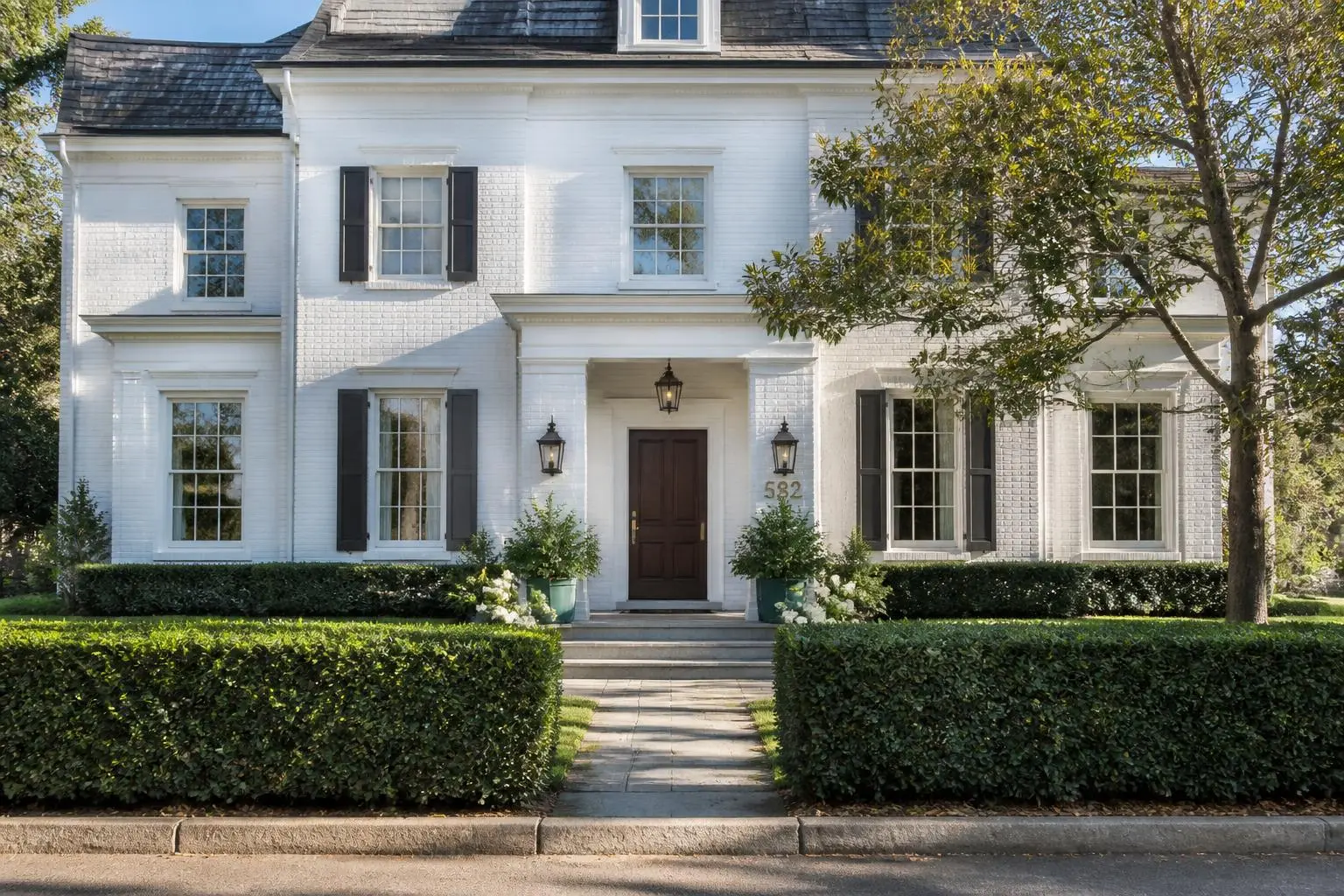
Why Eastover's inventory is different
Eastover is one of Charlotte's smallest and most established close-in neighborhoods — generally estimated at a few hundred houses total, platted in 1927 and largely built out by the mid-twentieth century. There is essentially no vacant land left to develop, which means every new listing represents an existing owner choosing to sell rather than a builder adding fresh supply. That structural scarcity is the single most important fact for any buyer to understand before starting a search here.
Because the neighborhood is so small, a handful of sales in either direction can swing the appearance of the market noticeably. A buyer looking at portal data may see only two or three active listings and conclude the market is frozen, when in reality several more transactions are quietly happening through private channels, longstanding agent relationships, or word of mouth among neighbors who know an owner is 'thinking about it.' This is an editorial characterization based on how small, high-demand estate neighborhoods generally function — confirm current activity directly with Canopy MLS and an agent working the corridor.
The practical effect is that a buyer's real chance of finding the right Eastover house often depends less on refreshing a listing site and more on being positioned — through an agent, a lender, and a clear brief — to hear about opportunities before or as they emerge.
How Eastover's off-market culture actually works
Several overlapping habits, common in legacy estate neighborhoods, shape how houses change hands here.
- Quiet pre-market conversations
- Owners often test the water with a trusted local agent months before a public listing, giving that agent's buyer clients a head start.
- Estate and inheritance transitions
- A share of Eastover sales follow a death, downsizing, or relocation, and families frequently prefer a discreet, unhurried process over a public campaign.
- Agent-to-agent networks
- Longtime Charlotte agents with deep Eastover relationships regularly know about a seller's intentions before any listing exists, and share selectively with qualified buyers.
- Renovation-driven timing
- Some owners sell only after completing a renovation to maximize value, meaning inventory can bunch up around finished projects rather than flowing evenly through the year.
- Builder and investor holds
- A small number of houses are held for renovate-and-resell or teardown-rebuild purposes, entering the market on the builder's schedule rather than a typical homeowner's.
What buyers should realistically expect
Expect a smaller pool of choices than in a larger neighborhood, and expect that pool to skew toward houses needing at least cosmetic updating, since fully renovated turnkey estates tend to be the most sought-after and the fastest to move. Expect competition on the best-located, best-renovated properties — those near the Providence Road spine, on the largest lots, or backing to green space tend to draw the most interest.
Expect due diligence to matter more here than in newer subdivisions. Houses built in the 1920s through 1950s can carry original plumbing, knob-and-tube remnants, aging roofs, or foundation quirks that a generic home inspection may under-describe. Buyers are generally well served by inspectors and contractors experienced specifically with pre-war Charlotte construction.
Expect pricing conversations to be less formulaic than a subdivision comp grid. Because so few truly comparable sales occur in any given stretch of months, appraisers and agents alike often have to reach across the broader Myers Park–Eastover–Foxcroft corridor for supporting data, which can create friction around financing appraisals on unique or heavily renovated houses.
A rough seasonal read
General patterns only — confirm current-season activity with Canopy MLS before making timing decisions.
| Season | Typical listing activity | Typical buyer competition |
|---|---|---|
| Late winter / early spring | New listings generally begin increasing | Rising as buyers return from the holidays |
| Late spring / early summer | Usually the year's highest volume of new listings | Generally the most competitive window |
| Late summer | Activity often slows around school schedules and travel | Moderate |
| Fall | A secondary, smaller wave of listings is common | Often more favorable for buyers |
| Holiday season | Fewest new listings of the year | Serious sellers only; can favor a prepared buyer |
These are general seasonal tendencies observed in many close-in estate markets, not a guarantee for any given year. Verify with current Canopy MLS statistics.
How to actually get in front of Eastover inventory
Start with a clear, written brief: target price range, must-have lot characteristics, renovation appetite, and school priorities if applicable. Share it with an agent who can demonstrate recent, specific Eastover transaction history — not just general Charlotte volume.
Get fully underwritten for financing before you need it, since a pre-market or lightly marketed opportunity can move quickly once it surfaces, and sellers in this segment generally favor buyers who can prove readiness immediately.
Finally, treat the search as ongoing rather than a single sprint. Because so much of the real activity here happens quietly, a buyer who stays engaged with their agent over months — rather than checking portals for a few weeks and giving up — is generally the one who hears about the right house first.