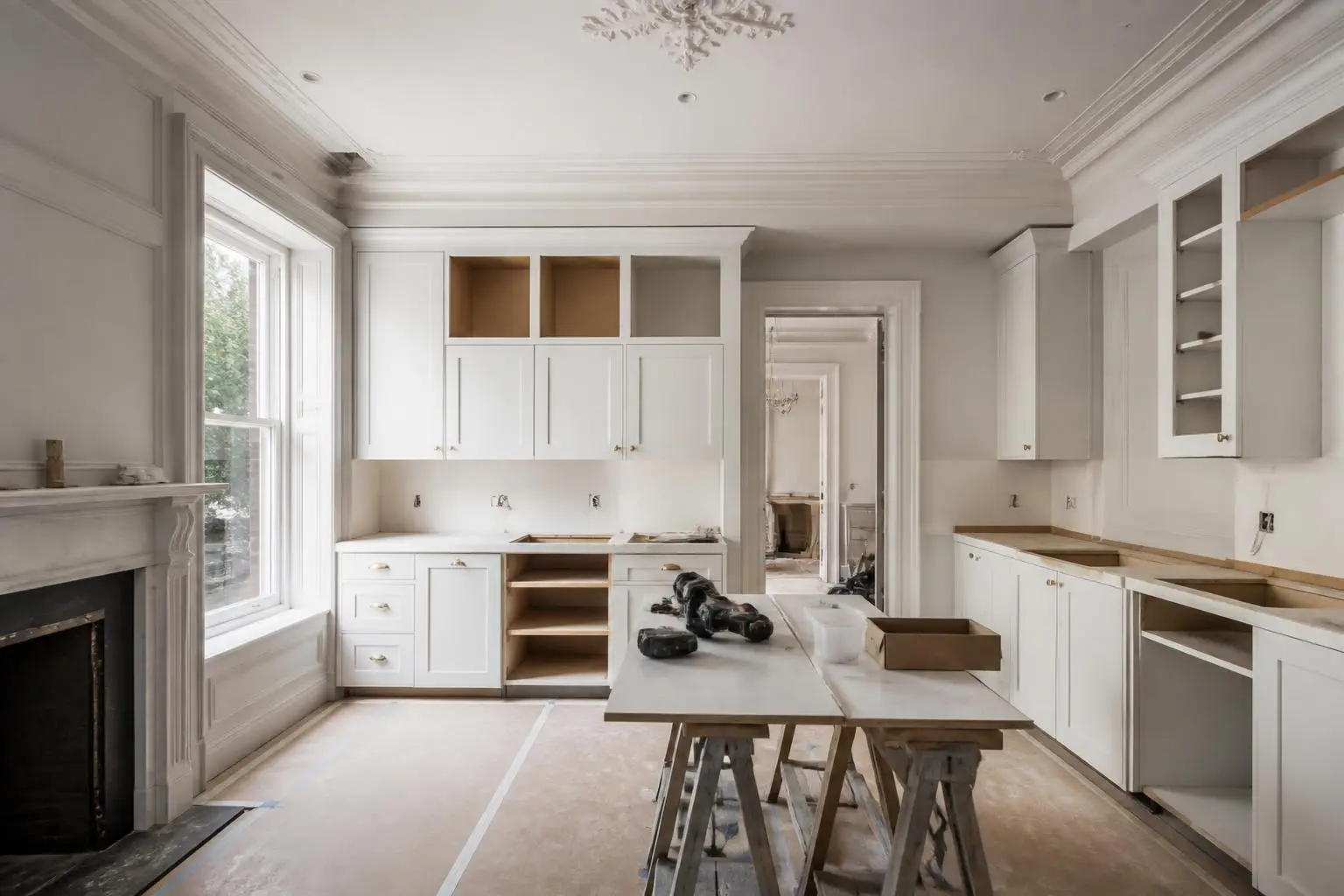
A renovated kitchen with custom cabinetry in a historic Charlotte home

Build

Renovating without erasing.

How to modernize a 1920s masonry house — systems, kitchens, baths, and additions — while keeping what makes it worth owning.

Written by Discover Eastover Editorial DeskReviewed by Nick PetersPublished January 12, 2026 · Updated August 2, 2026
The best Eastover renovations are invisible from the street and transformative inside. That balance is a sequencing problem as much as a design one.

Sequence the work in this order

Doing it out of order is the most expensive mistake in historic renovation.

1. Water
Roof, flashing, gutters, downspout discharge, grade, and foundation drainage. Everything else fails if this is unresolved.
2. Structure
Settlement, framing repairs, rotted sills, and any prior addition that was under-built.
3. Systems
Electrical service and rewiring, plumbing supply and waste stacks, HVAC zoning and duct routing through a house never designed for it.
4. Envelope performance
Attic and crawl insulation, air sealing, window restoration and storms — done in ways compatible with a breathable masonry wall.
5. Plan changes
Kitchen relocation, primary suite, mudroom, and any addition. Now the walls can move without undoing new work.
6. Finishes
Plaster, millwork, floors, tile, lighting, and hardware. The part everyone wants to start with.

Additions that work

The reliable move in Eastover is a rear or side wing that steps down in ridge height and reads as subordinate to the original block, connected by a short link. It keeps the street facade intact, allows a genuinely modern kitchen and family space, and preserves the proportions that make the house good.

The unreliable move is expanding the main block upward or forward. It changes the house's relationship to the street permanently and is the most common reason a renovated Eastover house feels wrong.
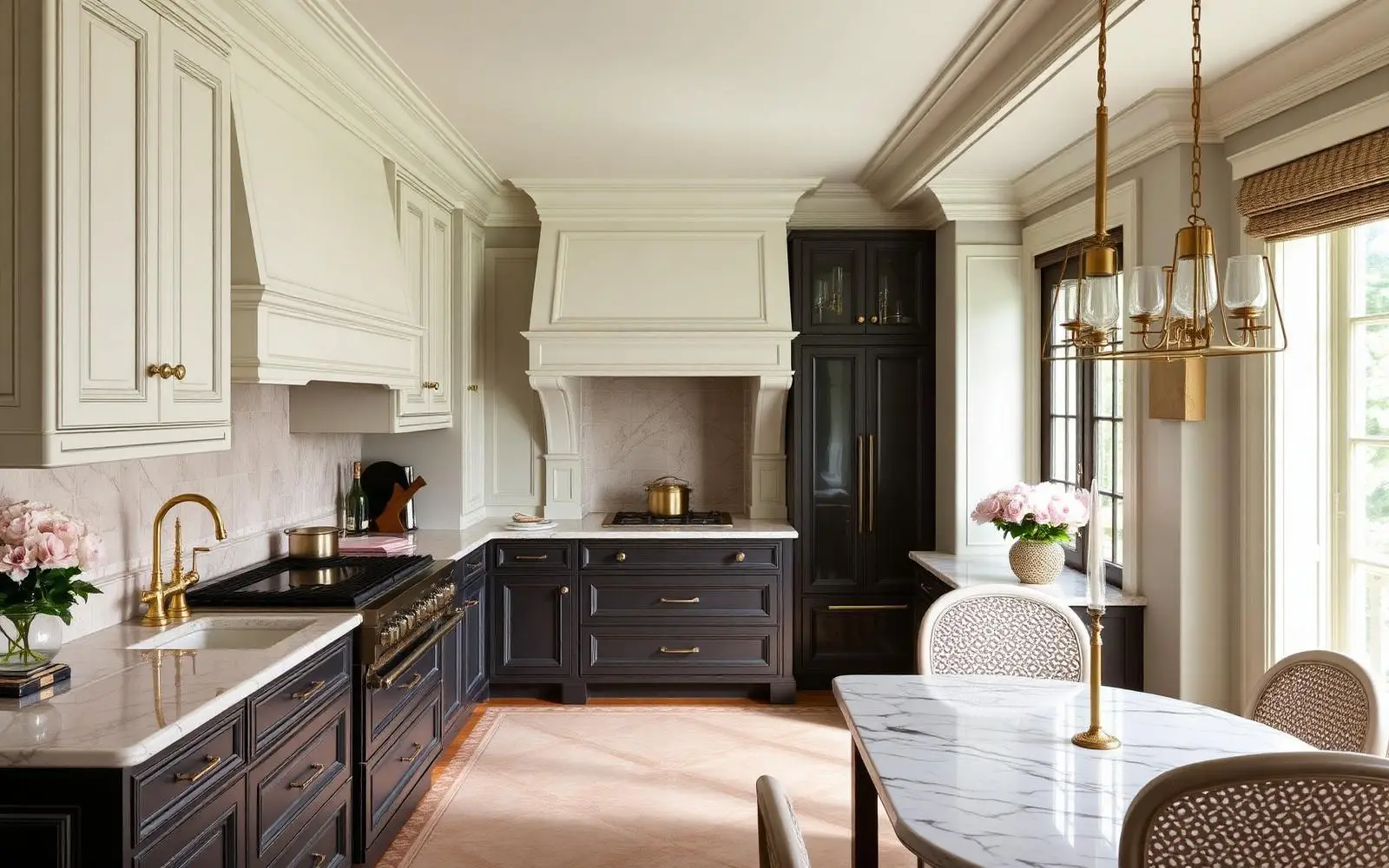
A renovated kitchen with custom cabinetry and marble in a historic Charlotte home
Kitchens are where nearly every Eastover renovation begins, and where the original plan is least worth preserving.

What to leave alone

Original plaster in good condition, quarter-sawn oak floors, paneled doors and their hardware, mantels, stair details, leaded and true-divided-light glass, and mature trees. These are the things that cannot be bought back at any price once removed.

Painting exterior brick is the decision to think hardest about. It can be handsome, it is effectively irreversible, and on soft historic brick the wrong coating traps moisture inside the wall.

Answers

Frequently asked questions

What should I renovate first in an old Eastover house?+
Envelope and systems before finishes: roof, flashing, drainage, electrical service, plumbing stacks, and HVAC. Kitchens and baths installed before the envelope is sound frequently have to be disturbed later.
Source: Mecklenburg County POLARIS 3G Property Records
Can I add on to a house in Eastover?+
Usually, subject to setbacks, lot coverage, and tree save requirements under the Charlotte Unified Development Ordinance, plus any private covenants. Rear and side additions that step down from the main block are the most common approach.
Source: Charlotte Unified Development Ordinance (UDO)
Is it worth restoring original windows?+
Often yes. Restored, weatherstripped original sash with storm panels performs close to replacement units and preserves the facade's proportions and glass character, which materially affects value on a historic street.
Source: Mecklenburg County POLARIS 3G Property Records

Sources & Verification

Where this page's facts come from.

We cite primary records wherever a claim can be verified. Figures change; confirm current details with the responsible authority before relying on them.