Why we don't quote crime rates
Crime statistics change over time, are reported at different geographies than a single neighborhood, and are easy to misquote or take out of context. Rather than repeat a number that may already be outdated by the time you read it, we point directly to the Charlotte-Mecklenburg Police Department's own crime-mapping and reporting tools, which let you search current, address-level data for Eastover and any surrounding block.
CMPD organizes its patrol and reporting geography into divisions and reporting areas rather than neighborhood boundaries, so a search for 'Eastover' specifically may return data for a broader patrol area. Take the time to understand how the tool defines its boundaries before drawing a conclusion from it.
How to research a specific address
A practical sequence for evaluating safety before buying, renting, or simply getting comfortable in the area.
- Pull current CMPD data
- Use CMPD's public crime-mapping tool to search the address and surrounding blocks for recent, reported incidents, and note the reporting period covered.
- Ask a local agent
- A real estate agent who actively works the corridor can often speak to recent, block-level patterns that broader statistics won't show, though this is anecdotal and should be treated as one input among several.
- Walk the block at different times
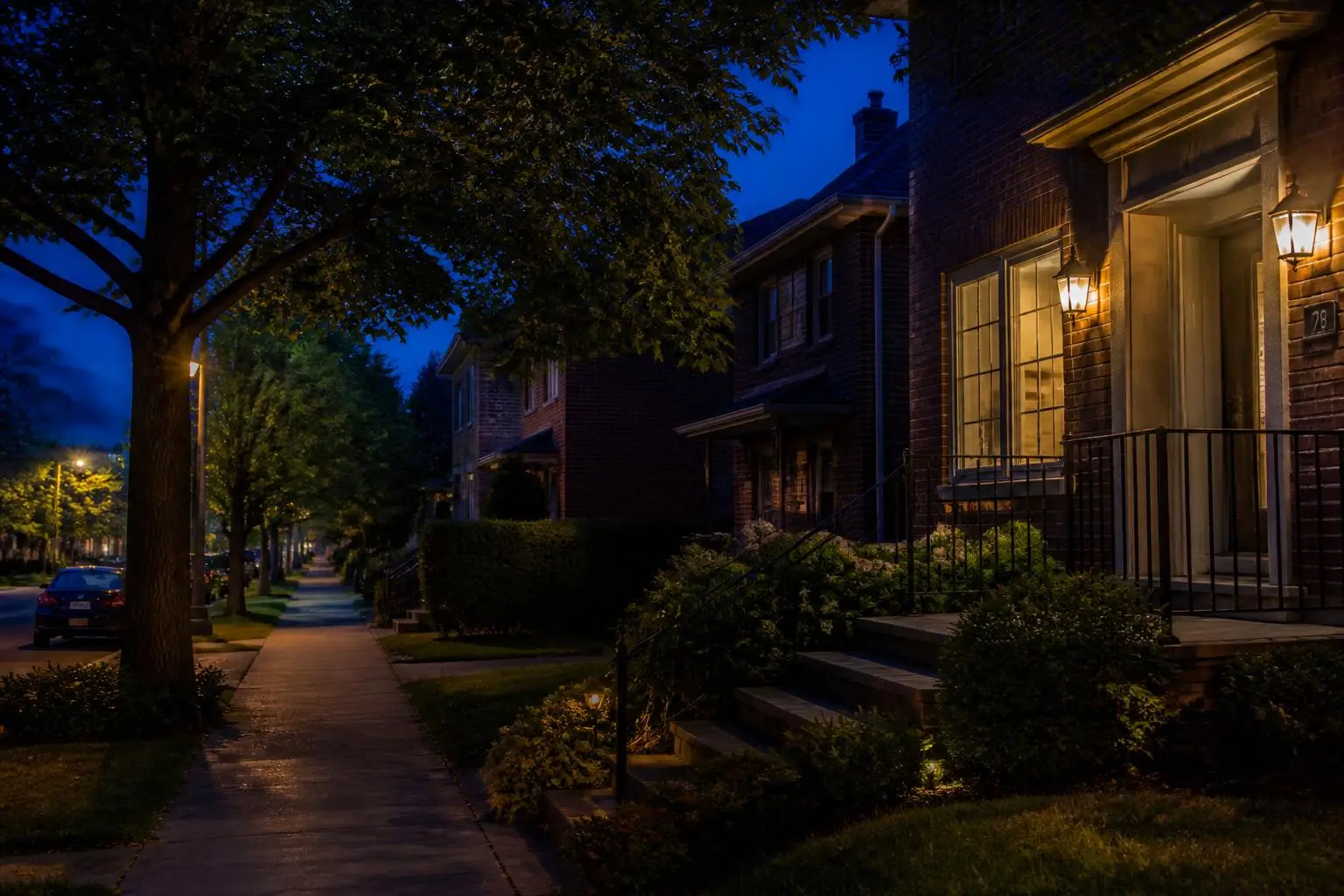
- Visiting a street in daylight, at dusk, and after dark gives a firsthand read on lighting, activity, and general upkeep that no dataset fully captures.
- Check with neighbors, respectfully
- Longtime residents on a specific street are often willing to share their own experience if approached directly and courteously.
Property-crime patterns in affluent, close-in neighborhoods
Nationally, community discussions in affluent, close-in urban neighborhoods — the kind of area Eastover fits — tend to center on property crime rather than violent crime: unlocked vehicles being entered overnight, packages taken from porches, and occasionally catalytic converter theft from parked cars. This is a general pattern discussed across many similar U.S. neighborhoods, not a specific claim about current conditions in Eastover, and it should not be treated as a substitute for checking CMPD's own data for the area.
Simple habits — locking vehicles, not leaving valuables visible, timing deliveries or using a secure drop-off, and coordinating with neighbors while traveling — are the most commonly cited mitigations for exactly this pattern of crime, regardless of neighborhood.
Lighting, landscape, and hardening considerations
Design and equipment choices that residents in similar neighborhoods commonly weigh.
- Sightlines
- Keeping shrubs trimmed below window height near entry points, and avoiding dense plantings directly beside doors, preserves visibility for both residents and passersby.
- Exterior lighting
- Motion-activated fixtures along driveways, walkways, and side yards are a commonly recommended low-cost addition, particularly on the deep, tree-shaded lots common in Eastover.
- Cameras and video doorbells
- Entry-point and driveway camera coverage is now common in higher-value neighborhoods citywide; placement and integration with existing architecture matter on a historic house.
- Monitored alarm systems
- A professionally installed and monitored system is worth evaluating against a household's specific risk tolerance and travel patterns, ideally assessed by a licensed integrator who can work within an older home's construction.