What 'luxury' means in this specific neighborhood
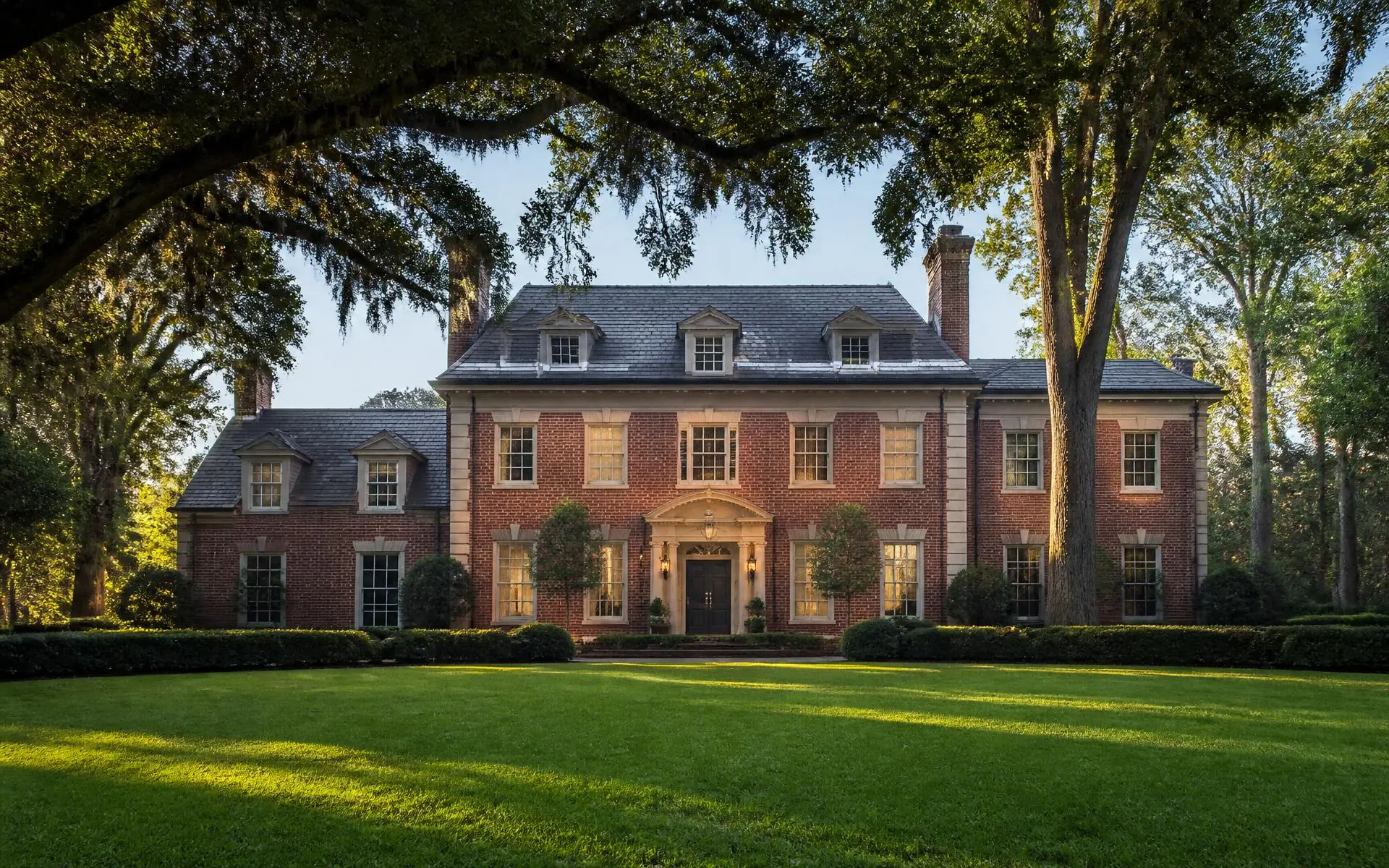
In much of Charlotte, the luxury label attaches to square footage and finish level in recently built product. In Eastover it attaches to something older and harder to replicate: a mature parcel on a good block, a house with a coherent architectural idea, and grounds that were planted eighty years ago and have been kept.
That is why a smaller restored house on a deep interior lot frequently outprices a larger, newer house on a shallower parcel near an arterial. Buyers here are paying for siting and canopy as much as for interior area.
The components of an estate-scale property here
None of these are universal. Treat them as the checklist you verify property by property, using the parcel record and a site survey.
- A parcel that can hold the program
- Depth and width determine whether a pool, garden room, or rear addition is even possible after setbacks and tree-protection requirements are applied. Confirm dimensions on POLARIS rather than from marketing copy.
- A principal house with architectural integrity
- Georgian, Colonial Revival, and Tudor Revival are the dominant vocabularies. The properties that hold value are the ones where later work respected the original massing and materials.
- Formal grounds
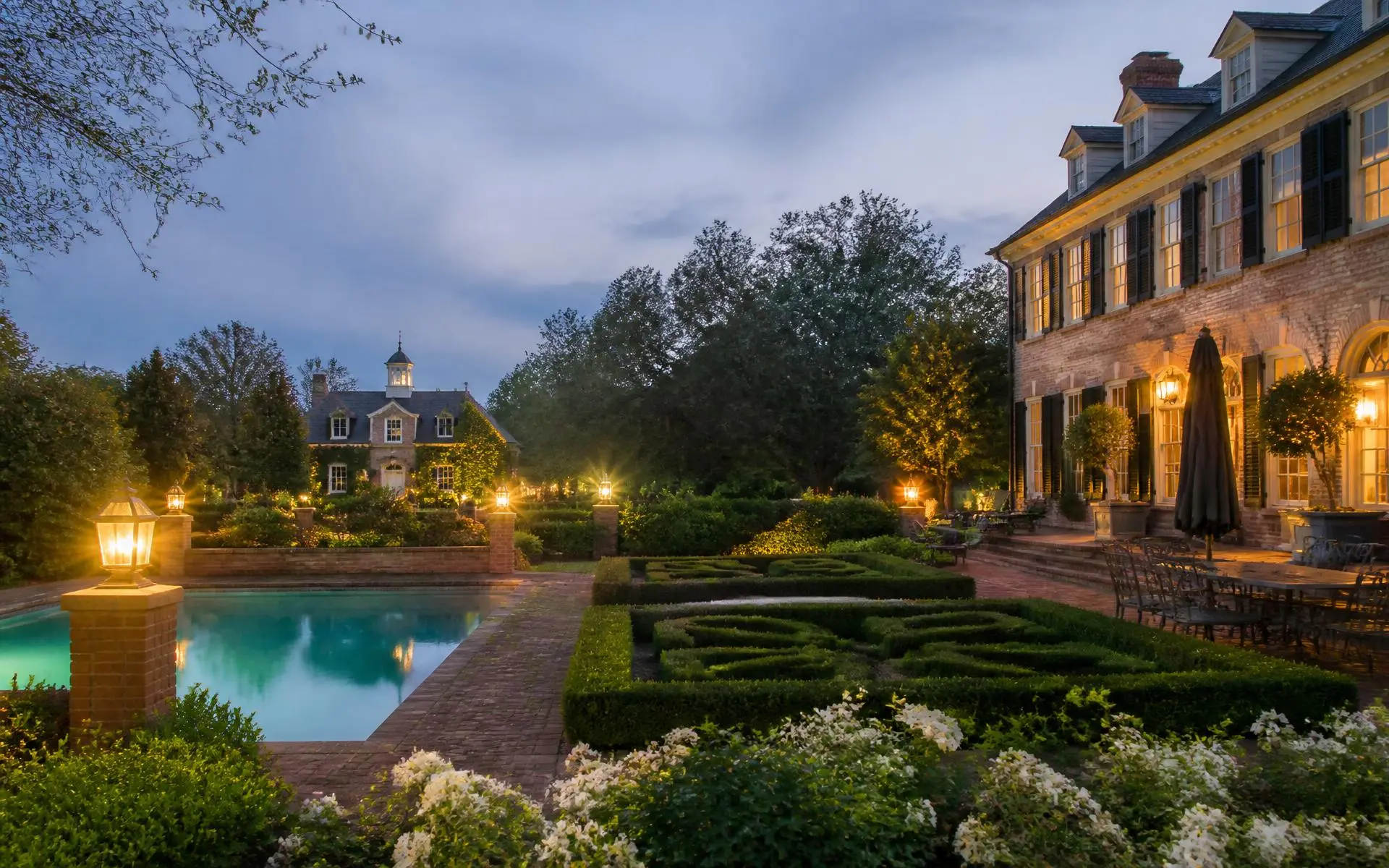
- Boxwood structure, brick or bluestone terracing, and a mature overstory. Landscape of this maturity cannot be bought; it can only be inherited or waited for.
- Outdoor living
- Terrace, loggia, and — on some properties — a pool. Pool feasibility on a given lot is a survey question, not an assumption.
- Secondary structures
- Detached garages, garage apartments, and pool houses exist in the neighborhood but are property-specific. Legal use of any accessory dwelling should be confirmed against the Charlotte UDO and the permit history.
- Modernized systems behind original fabric
- The most valuable estate properties are the ones where electrical, plumbing, HVAC, roofing, and drainage have already been brought current without stripping the interior of its original millwork and plaster.
The estate tier compared with the rest of the neighborhood
An orientation table, not an appraisal framework. Every characteristic below must be confirmed for a specific address.
| Property type | Typical character | What to verify first |
|---|---|---|
| Original cottage / smaller house | One-and-a-half or two stories, modest footprint, often on a narrower or shallower parcel. | Buildable envelope if you intend to add on; systems age. |
| Mid-size original house | Three to five bedrooms, formal plan, frequently renovated at the kitchen and baths. | Quality and permit history of the prior renovation; roof and envelope condition. |
| Estate-scale original house | Larger Georgian, Colonial Revival, or Tudor with formal grounds, detached garage, terracing. | Slate/copper condition, structural work in additions, drainage, tree health. |
| Renovated estate | Original envelope with a fully modernized interior and systems, often pool and outdoor kitchen. | Whether renovation work is documented and permitted; what remains on the deferred list. |
| New custom construction | Ground-up rebuild on an original lot, contemporary program behind traditional detailing. | Compliance with current setbacks and tree ordinance; builder and warranty; streetscape fit. |
Sources for verification: Mecklenburg County POLARIS for parcel and assessment data; City of Charlotte permitting for renovation history.
How estate properties actually change hands here
Turnover is low and a meaningful share of estate-tier transactions are arranged before any public listing appears. Estates, relocations, and owners who prefer not to host open showings tend to transact through agents already working this corridor.
The practical consequence: watching public inventory alone gives you an incomplete picture of what is available at the top of Eastover in any given quarter.
If you plan to build or rebuild to estate scale
Rebuilding is permitted on most parcels, but it is not unconstrained. Setbacks, height, lot coverage, tree-protection requirements, and stormwater management under the Charlotte Unified Development Ordinance all shape what a lot can hold — and those rules change. Confirm current standards with the City before you commit to a program.
Streetscape compatibility is the other constraint, and it is a market one rather than a legal one. Houses that ignore the rhythm and setback of their block are the ones that struggle on resale, regardless of finish level.