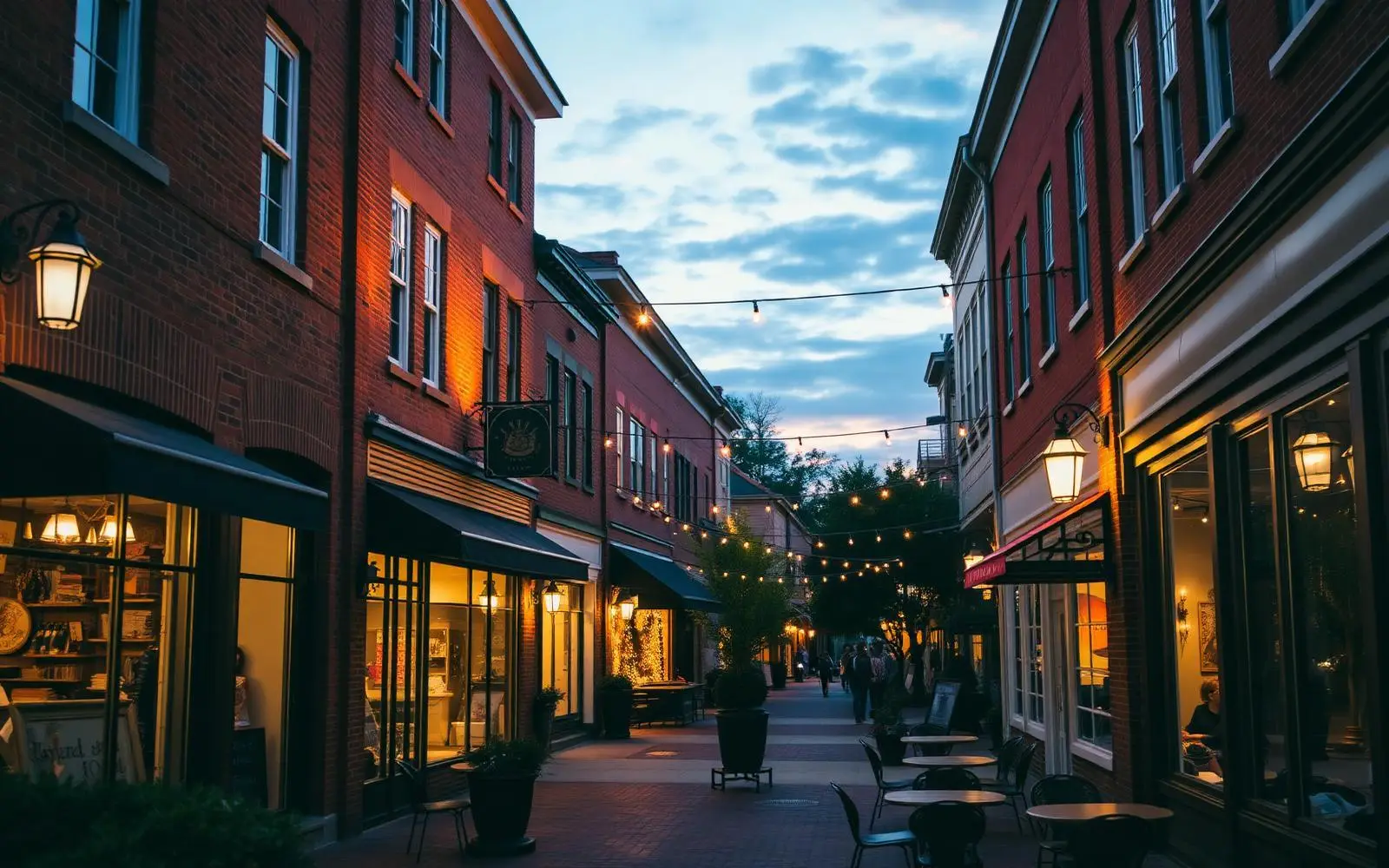
About Cotswold
Cotswold sits directly east of Eastover along Randolph Road, close enough that the drive to Cotswold Village takes only a few minutes from most Eastover streets. It grew after World War II, so its housing stock is postwar ranch and split-level rather than 1920s brick.
Two decades of renovation have transformed much of that stock: raised roofs, added second stories, rebuilt kitchens, and expanded primary suites. The result is a neighborhood that reads far newer than its build dates while retaining large flat yards and quiet streets — worth studying in depth if you are seriously evaluating living in Cotswold as an alternative to an Eastover purchase.
What you will find
The housing and land patterns that define the area.
- Original brick ranches
- Single-story postwar houses on generous lots, still the most affordable way into the corridor.
- Renovated and popped-up ranches
- Houses expanded upward or to the rear, often adding a second floor and a modern kitchen at the back.
- Newer infill
- Scattered teardown rebuilds, typically transitional in style with two-car garages.
- Townhome and condo pockets
- Low-maintenance options near the shopping center for downsizers who want the location without a yard.
Compared with Eastover
An editorial comparison for orientation only — verify every figure yourself.
| Cotswold | Eastover | |
|---|---|---|
| Housing stock | Postwar ranch, extensively renovated | 1927–1960 brick estates |
| Typical lot | Flat, generous, often over a quarter acre | Deep, canopied, frequently larger |
| Entry price | Materially lower | Highest in Charlotte's close-in market |
| Retail | Cotswold Village and Randolph Road corridor | Uses Cotswold and SouthPark |
| Drive to Uptown | About 15 minutes | About 10 minutes |
Comparisons are editorial. Confirm pricing with Canopy MLS, assignment with Charlotte-Mecklenburg Schools, and parcel facts with Mecklenburg County POLARIS.